
Strata Building Management
Lesson 6: Planned maintenance: asset registers, calendars and long-term plans
Goal: set up an asset register and a maintenance calendar for your building, and use the long-term fund plan so major work is expected, budgeted and done on time.
Planned beats reactive
Every building has two kinds of maintenance:
- Planned (preventive): work done on a schedule before things fail: servicing the lifts, cleaning gutters before the wet season, repainting before timber rots, testing fire equipment.
- Reactive (corrective): fixing things after they break.
Research: maintenance studies in facilities management consistently find that reactive work costs more than the same work planned: emergency call-out rates, secondary damage, and shorter asset life. The exact ratio quoted varies a lot between studies and is often overstated in industry marketing, but the direction is consistent. Practitioner tip: a useful health check is the share of your work orders that are planned. If most of your month is spent reacting, the planned programme needs work.
The asset register
You can’t maintain what you haven’t listed. An asset register lists every piece of common property plant and every major building element, with what you need to know to look after it.
| Field | Example |
|---|---|
| Asset ID and tag | BC-LIFT-01 (a QR tag on the motor room door) |
| Description and location | Passenger lift 1, east core |
| Make, model, serial | |
| Installed / last replaced | 1998, upgraded 2016 |
| Service contractor and contract end | |
| Service frequency and standard | Monthly service; annual safety check |
| Warranty expiry | |
| Expected life remaining | 12 years (from the capital works plan) |
| Fund for replacement | Sinking / capital works |
| Manuals, drawings, certificates | Link to the files |
| Last condition rating | Fair (with a photo) |
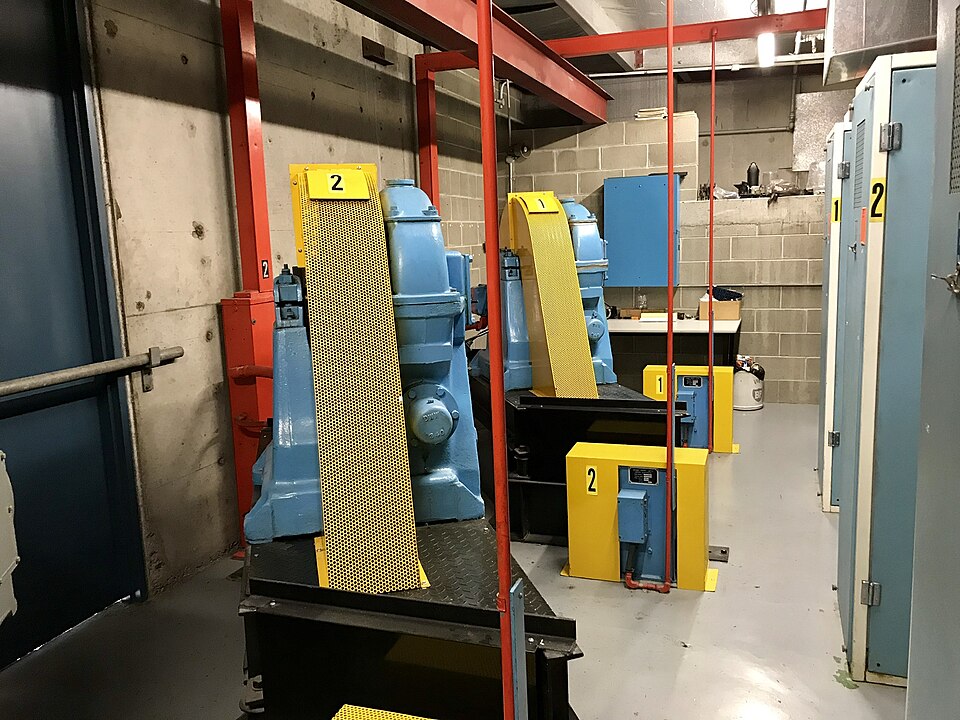
Start with the big and the dangerous: lifts, fire systems, pumps, hot water plant, pool equipment, gates and doors, roof access systems, electrical switchboards, backflow devices. Then the building elements: roof, facade, balustrades, waterproofing, paint, car park membrane.
Practitioner tip: tag the major assets. A QR code on each asset (tools such as ScanseQR are built for this) lets you, or a contractor, scan it on site, see its history and log an inspection with photos. A label maker and a shared spreadsheet also works for a small building.

The maintenance calendar
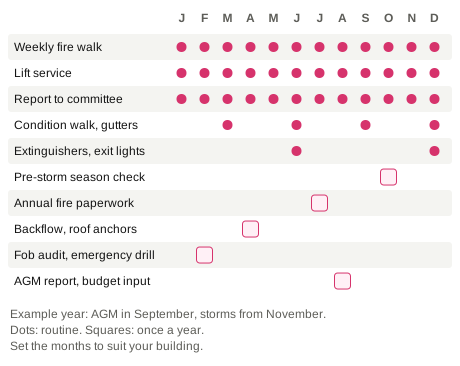
Turn the register into a calendar: what happens each week, month, quarter and year, and who does it. A typical residential tower:
| Frequency | Tasks |
|---|---|
| Daily / weekly | Walk-through of common areas; check fire doors closed and exits clear; pool chemistry (by you or the pool contractor); bin room; lift cars and lobbies |
| Monthly | Lift service; fire system routine tests (by the fire contractor); emergency light check; gym equipment check; car park lights; roof and gutter look from safe access points |
| Quarterly | Gutter and downpipe clean (more often under trees); pest control; pressure clean entries; review open work orders older than 30 days |
| Six-monthly | Fire extinguishers and hose reels; emergency and exit lights (90-minute discharge test); thermostatic mixing valves |
| Yearly | Annual fire safety statement or report (Lesson 11); backflow device test; roof anchor and access system certification; lift safety inspection; electrical thermal scan of main switchboards; air-conditioning plant service; insurance valuation (usually every few years) |
| Seasonal | Before storm or cyclone season: drains, gutters, loose items, generator test. Before summer: pool equipment, shade, air-conditioning |
Use one system to hold it, and put every recurring task into it as a repeating work order with a reminder. A tradie management system (such as Stratager’s Tradie Management) does this, as do most strata and facilities management platforms. Paper diaries fail when you’re on leave.
The long-term plan
Every state requires (or strongly encourages) a long-term plan for the sinking, capital works, maintenance or reserve fund. The law:
- NSW: a 10-year capital works fund plan, reviewed at least every five years. From 1 April 2026 a new standard form must be used when it’s reviewed or replaced.
- Queensland: the sinking fund budget must provide for spending over the current year and reasonably cover the following nine years, so most schemes get a 10-year sinking fund forecast from a quantity surveyor.
- Victoria: tier 1 and tier 2 owners corporations (more than 50 occupiable lots) must have a maintenance plan and fund. Smaller ones may.
- WA: strata companies with 10 or more lots (or a replacement value of $5 million or more) need a 10-year plan and reserve fund, revised at least every five years.
- Other states and territories: sinking funds and plans are required or expected, with different thresholds (see the state electives).
Your part in the long-term plan:
- Give the surveyor or consultant the asset register, condition notes and repair history, so the plan reflects the real building.
- Flag items that are failing faster than the plan assumes. The plan said the car park membrane lasts until 2031; you’re patching leaks every month in 2026. Tell the committee.
- Remind the committee 12 to 18 months before major works so they can get quotes, approvals and, if needed, a special levy organised.
- Make sure planned work is done when the plan says, or that the delay is a decision the committee made knowingly.
Condition inspections
Industry practice: walk the whole building with a checklist at least quarterly, including roof (from safe access only), plant rooms, car park, facade from the ground and every stairwell. Rate each item (good, fair, poor) and photograph anything that changed. Over a few years these photos are worth a lot: they show defects developing, support insurance claims, and justify the long-term plan.
At Banksia Court
The 10-year plan shows the facade repaint due in 2028 at $480,000. Your quarterly inspections show the west face paint chalking and two balcony edges with exposed reinforcement (concrete cancer). You report it to the committee with photos and recommend bringing forward a facade condition report this year, since concrete repairs before painting can cost more than the paint itself. The committee agrees, and the plan is updated.
On the job 6
Start an asset register with the 15 most important assets in your building. For each, record the service contractor, frequency and next service date. Then put every one of those dates into your calendar or system as a repeating task.
Sources
- NSW Government, Changes to strata scheme laws (capital works fund plan form from 1 April 2026)
- Coleman Greig (2026), NSW strata reforms 2026
- Consumer Affairs Victoria, Owners corporation maintenance plan
- Landgate, Managing finances and insurance fact sheet
- Standards Australia, AS 1851:2012 Routine service of fire protection systems and equipment
- Standards Australia, AS/NZS 2293.2 Emergency lighting and exit signs for buildings: inspection and maintenance
General education, not legal advice. Strata law is different in every state and territory and it changes often (NSW and Victoria both changed theirs in 2025 and 2026), so check the current Act and your own agreement, and get advice before acting on anything here.