
Strata Building Management
Lesson 14: Security, access, CCTV and privacy
Goal: keep control of who can get into the building and where, run CCTV lawfully, and handle the everyday security problems that make residents feel unsafe.
Keys and fobs
Every building leaks keys. Fobs get lost, tenants leave without returning theirs, and a contractor from five years ago still has a master key. Industry practice:
- Keep an access register: every fob or key, who holds it, for which lot or role, and when it was issued. Electronic access control systems keep this for you; make sure it’s accurate.
- Cancel lost fobs immediately, then issue a replacement (usually at the owner’s cost, under a by-law or committee policy).
- Control master keys tightly. A short list of named holders, in a key safe with a log. Re-key if one goes missing.
- Contractors sign keys out and back in the same day. Long-term contractors get their own fob with time limits, not a master key.
- Check the register yearly against the roll of owners and tenants. Cancel anything unaccounted for.
- Owners, not tenants, ask for extra fobs (usually). Tenants go through their agent.
Doors, gates and tailgating
Most break-ins to apartment buildings come through doors left open or followed through, not forced locks.
- Fix slow-closing and non-latching doors as urgent work orders.
- Put a sign at entries: “Please don’t let anyone in behind you”.
- Car park gates should close behind each car. A gate stuck open is an urgent job.
- Remind residents (and short-stay guests) not to prop doors when moving in.
Deliveries and parcels
Parcel theft from foyers is a constant complaint. Options, from cheapest: delivery instructions on the intercom and signs; a parcel locker system; a staffed or secure parcel room with a log. Never accept liability for residents’ parcels unless the body corporate has decided to run a parcel service.
CCTV
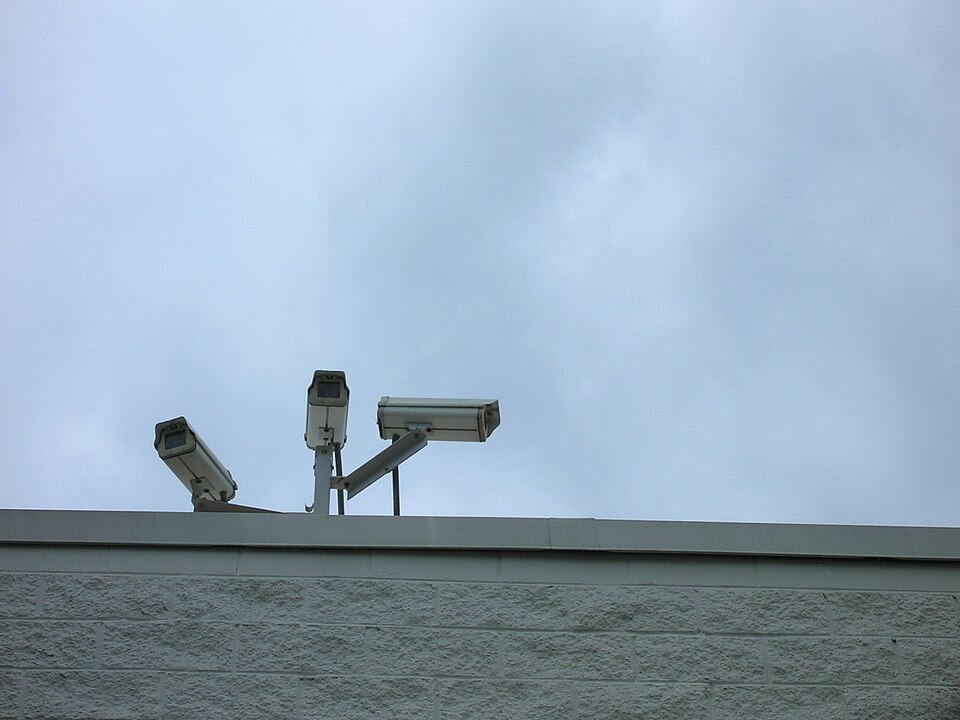
CCTV can deter crime and help police, but it brings legal and privacy duties.
The law:
- The body corporate needs authority to install CCTV on common property: usually a resolution, and sometimes a by-law, depending on the state and the system.
- Surveillance laws are state-based, and they treat video and audio differently. Recording conversations (audio) without consent is generally an offence in most states. Most strata CCTV should record video only.
- Cameras must not look into lots, windows, bathrooms or change rooms, and should cover common property only.
- Signs saying CCTV is operating are expected everywhere and required in some states.
- If the body corporate or your business is covered by the Privacy Act 1988, footage of identifiable people is personal information and the Australian Privacy Principles apply.
_cameras.jpg)
Industry practice: a written CCTV policy, approved by the committee, covering: what’s recorded and where, how long footage is kept (often 14 to 30 days), who can view it, when footage is released (to police on request, to insurers for claims, and to owners only in limited cases, usually not), and a log of every viewing and release.
Practitioner tip: nobody has time to watch hours of footage. Most modern systems can search by motion or time, and newer AI tools (such as Vision) flag the moments with real activity. Whatever you use, keep to the policy on who sees what.
Car parks
- Good lighting, kept working. A dark car park is the most common resident fear.
- Visitor parking rules applied consistently (Lesson 13).
- Bikes stored in a bike room, not chained to fire stairs or pipes.
- Watch for people living in cars or storage cages, and abandoned vehicles. Follow your state’s process for abandoned vehicles on private land, and get advice before removing one.
Security incidents
When there’s a break-in, theft or damage:
- Make sure everyone is safe. Call police (000 in an emergency, 131 444 otherwise) if a crime is happening or has happened.
- Secure the building: board up, re-key, cancel fobs.
- Preserve and save the footage before it’s overwritten.
- Record it as an incident (Lesson 15), and tell the committee and strata manager.
- Tell residents what happened and what to do, without naming victims or suspects.
At Banksia Court
Three bikes are stolen from the car park in a month. The footage shows the same person tailgating a car through the gate each time. You give the footage to police under the CCTV policy (logged), have the gate’s closing speed adjusted so it shuts faster behind each car, and propose a locked bike cage to the committee. You also remind residents in the newsletter to wait for the gate to close behind them.
On the job 14
Count the active fobs in your access system and compare them with the number of residents and contractors. How many can’t you account for? Then find your building’s CCTV policy. If there isn’t one, draft it using the headings above.
Sources
- Office of the Australian Information Commissioner, Australian Privacy Principles
- Surveillance Devices Act 2007 (NSW); Surveillance Devices Act 1999 (Vic); Invasion of Privacy Act 1971 (Qld); Surveillance Devices Act 2016 (SA); Surveillance Devices Act 1998 (WA)
- NSW Government, Strata schemes
- Queensland Government, Body corporate by-laws
General education, not legal advice. Strata law is different in every state and territory and it changes often (NSW and Victoria both changed theirs in 2025 and 2026), so check the current Act and your own agreement, and get advice before acting on anything here.