
Strata Building Management
Lesson 15: Emergencies, insurance claims and incidents
Goal: prepare your building for the emergencies it’s most likely to face, handle the first hour well, support the insurance claim afterwards, and write an incident report that stands up.
Plan before it happens
Industry practice: keep a short building emergency plan (separate from the fire evacuation plan, which your fire safety adviser or contractor prepares). Two or three pages, printed and in your phone:
- Contacts: emergency services, the committee, strata manager, insurer’s claims line, after-hours contractors (plumber, electrician, lift, fire, glazier, locksmith, security, restoration and drying), utilities.
- Shut-offs: where to turn off mains water, each riser, gas, and the main electrical supply, with photos. Make sure the valves actually turn.
- Plans: the floor plans, evacuation diagrams, and where the fire panel and its manual are.
- Vulnerable residents: with their consent, a list of people who may need help to evacuate (mobility, hearing or sight impairment). Keep it private and current.
- Scenarios: a few lines each for the events below.
Likely emergencies
| Event | First steps |
|---|---|
| Fire alarm | Follow the evacuation plan; meet the fire brigade at the panel; never reset the panel yourself unless trained and authorised |
| Water leak or burst pipe | Isolate the water at the nearest valve; protect electrics; call the plumber; photos (Lesson 5) |
| Flood or storm | Before the season: clear drains, gutters and pits, secure loose items, check sump pumps and backup power, sandbags for car park ramps. During: stay safe, follow the SES and emergency alerts, move cars if it’s safe and there’s time. After: photos before clean-up |
| Cyclone (northern Qld, NT, northern WA) | Cyclone season checklist; shutters; secure outdoor furniture and pool equipment; residents’ preparation reminders |
| Power failure | Check lifts for trapped people (call the lift company); emergency lighting; pumps and gates on backup or manual; check fridges in common areas |
| Lift entrapment | Talk to the trapped people through the intercom; call the lift company’s emergency line; never try to free them yourself; call 000 if anyone is unwell |
| Gas leak | Evacuate the area; no switches or flames; call the gas distributor’s emergency line and 000 |
| Medical emergency | Call 000; first aid if trained; know where the nearest AED (defibrillator) is, or propose one for the building |
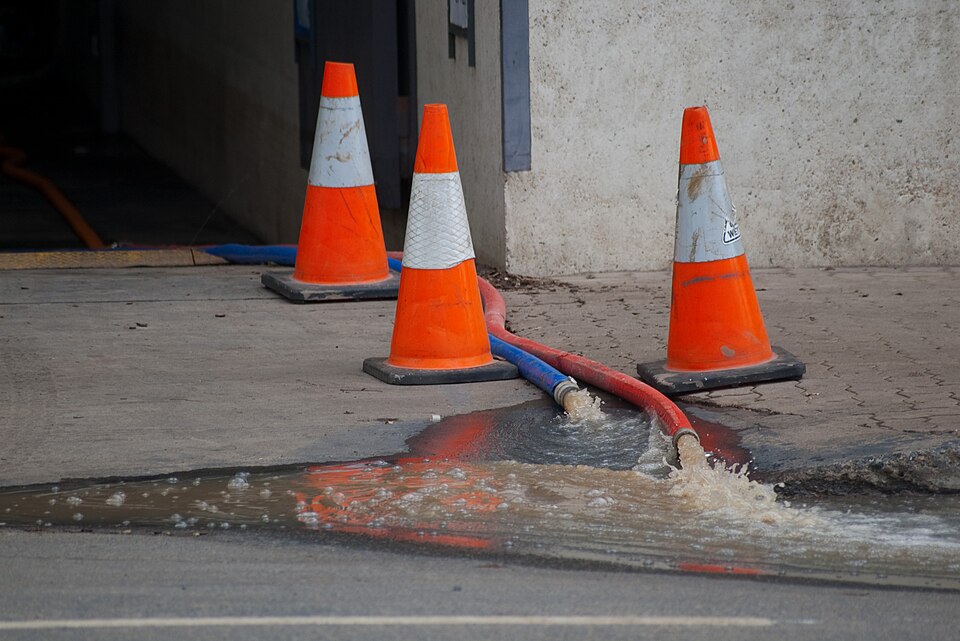

Practitioner tip: run one practice of the plan a year with whoever covers for you. The worst time to discover the riser valve is seized is during a flood.
The first hour of an insurance event
The body corporate’s building insurance covers common property and, in most states, the building structure including parts of lots. The law: every state requires the body corporate to insure the building for its full replacement value and to hold public liability cover (at least $20 million in NSW and Victoria and $10 million in Queensland and most other states).
When something happens that might be a claim:
- Make safe and prevent further damage: the policy expects it, and pays for reasonable make-safe costs.
- Photograph everything before any clean-up: wide shots, close-ups, the cause, the damage.
- Keep damaged items (the burst hose, the failed valve) until the insurer says they can go.
- Tell the strata manager straight away. They notify the insurer and lodge the claim.
- Don’t admit liability to anyone, and don’t promise owners that “insurance will cover it”. The insurer decides.
- Get quotes for repairs if asked, and arrange the insurer’s assessor’s access.
- Keep a claim file: photos, reports, invoices, emails.
Excess: most strata policies have an excess, and some by-laws or state laws let the body corporate recover it from an owner whose lot or negligence caused the damage. That’s a committee decision, not yours.
Incident reports
Write an incident report for any injury, near miss, significant damage, security event or emergency, on the same day. A good report:
- states facts, not opinions or blame: what happened, where, when, who was involved, who saw it;
- includes photos and a sketch if it helps;
- records what you did and when (first aid, make safe, who you called);
- notes witnesses’ names and contact details;
- avoids admissions (“it was our fault”, “the floor was always slippery”);
- is signed and dated, and sent to the committee and strata manager.
For a fall on common property, also record the conditions: weather, lighting, what the floor surface was like, any signs, and when the area was last cleaned or inspected. Those details decide public liability claims years later.
At Banksia Court
A storm drops 90 mm of rain in an hour. Water pours down the car park ramp. Because you cleared the grate and tested the sump pump last month, the pump keeps up until the power goes off. You switch the pump to the backup generator per the plan, move residents away from the switchboard room, and call the electrician. Next morning: photos, a drying contractor, an incident report and a call to the strata manager. Three cars are damaged (owners claim on their car insurance), the car park gets dried under the building policy, and the committee asks you to quote a higher ramp hump.
On the job 15
Write your building’s emergency plan contacts and shut-off pages, with photos of each valve and switch. Then go and turn (gently) each water valve you listed. Make a work order for any that don’t move.
Sources
- NSW SES, Get ready for storms and floods
- Queensland Government, Get ready Queensland
- LookUpStrata, Strata title insurance requirements
- PBL Legal, A guide to owners corporation strata insurance requirements
- Safe Work Australia, Incident notification
General education, not legal advice. Strata law is different in every state and territory and it changes often (NSW and Victoria both changed theirs in 2025 and 2026), so check the current Act and your own agreement, and get advice before acting on anything here.