
Strata Building Management
Lesson 11: Fire safety and essential services
Goal: keep the building’s fire safety systems working every day, know your state’s annual fire safety paperwork, and manage the other essential services that keep a building legal and safe.
The fire safety measures
When an apartment building is approved, its certificate (occupation certificate, occupancy permit or similar) lists the fire safety measures it relies on. They vary with the building, but typically include:
- Passive measures: fire-rated walls, floors and doors; sealed penetrations; fire stairs; smoke separation.
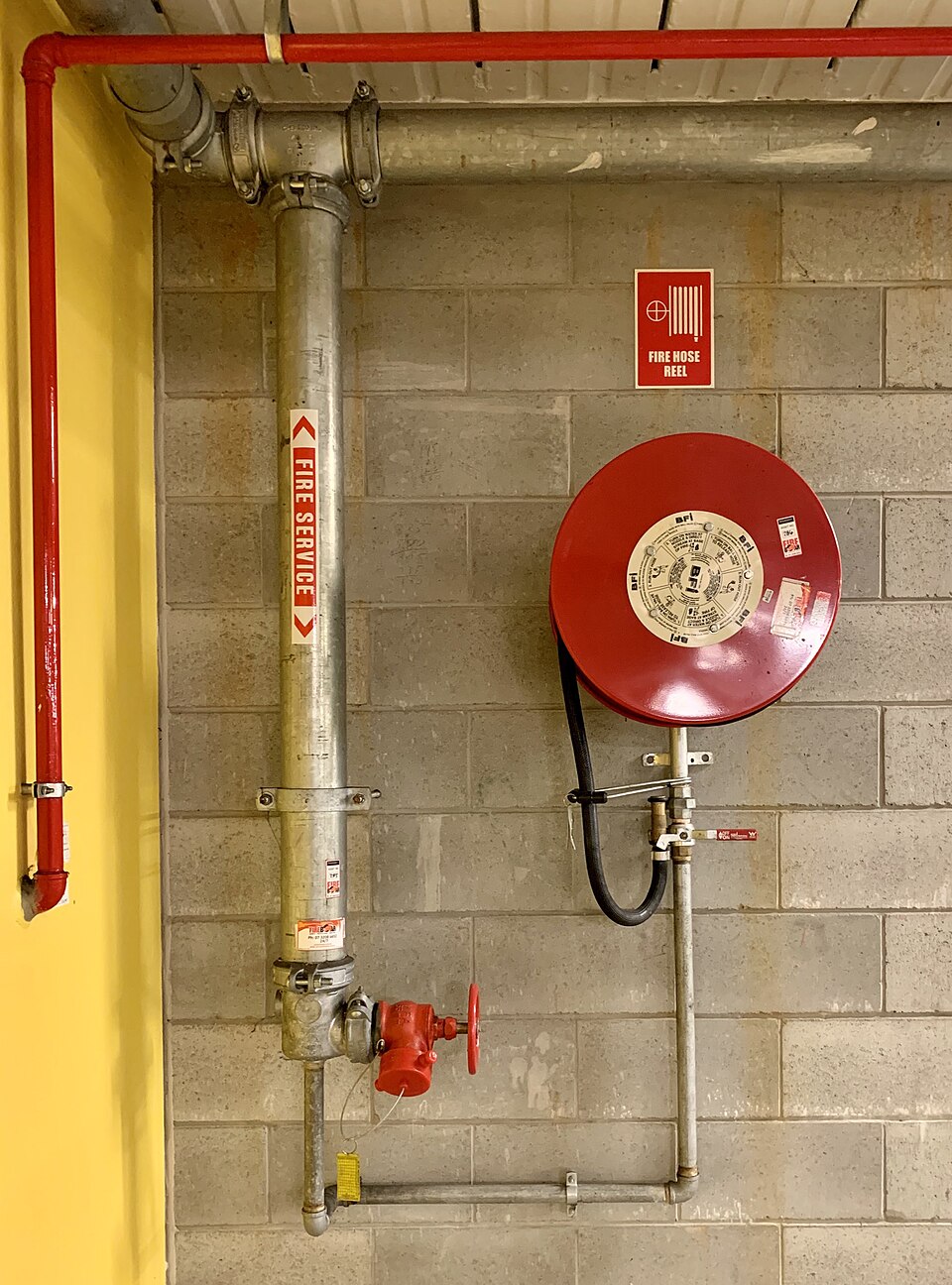
- Active measures: smoke detection and alarm system, fire indicator panel, sprinklers, hydrants and hose reels, fire extinguishers, emergency lighting and exit signs, smoke exhaust or stair pressurisation, emergency warning and intercom systems in taller buildings.
- Management measures: evacuation diagrams and plans, exit paths kept clear.
The law: the owner (the body corporate) must keep these measures working to the standard they were designed to. In practice most states point to AS 1851, the Australian Standard for routine service of fire protection systems and equipment, which sets monthly, six-monthly and yearly tests for each system. Your fire contractor does the tests; you make sure they happen and that faults are fixed.
What you check every week
Fire contractors visit monthly or less. Most failures in between are things you can see on a walk-through. Practitioner tip: walk every floor and stairwell weekly with this list:
- Fire doors close fully and latch by themselves. No wedges, no hooks, no doormats in the way, no damaged closers, no holes drilled for cables.
- Exit paths are clear: no bikes, boxes, furniture or bins in corridors and stairs.
- Exit signs are lit.
- Extinguishers and hose reels are in place, with tags current and nothing blocking them.
- The fire panel shows normal (no fault or isolation lights), and you know why if it doesn’t.
- Evacuation diagrams are on the walls and still correct.
- New penetrations (new cables or pipes through walls or ceilings in risers) are sealed with fire-rated material. Tradespeople often forget.

A wedged-open fire door is the most common fire safety failure in apartment buildings, and the most dangerous, because it lets smoke into the stairs everyone needs to escape through.
The annual paperwork, by state
The law: most states require a yearly statement or report that the fire safety measures have been maintained. The details vary a lot:
| State | Annual requirement |
|---|---|
| NSW | Annual fire safety statement (AFSS), after an assessment by an accredited fire safety practitioner. Sent to the council and Fire and Rescue NSW, and displayed in the building |
| Vic | Annual essential safety measures report (AESMR) by the building owner, kept on site for inspection |
| Qld | Occupiers must maintain prescribed fire safety installations, keep evacuation routes clear and unlocked, and keep maintenance records under the Building Fire Safety Regulation 2008. Some buildings must lodge an annual occupier statement |
| SA | Annual Form 3 certificate of compliance for essential safety provisions, given to the council |
| WA | No annual statement at the time of writing, but maintenance to AS 1851 and records are expected |
| Tas | Maintenance to the building’s maintenance schedule issued with the occupancy permit, with records available to inspectors |
| ACT, NT | No annual statement, but systems must be maintained (ACT Fire and Rescue guideline FSG-05) |
Find out when yours is due, put it in your calendar three months early, and make sure faults the assessor finds are fixed before it’s signed. Practitioner tip: keep one fire safety folder (paper or digital) with the certificate listing the measures, the last three annual statements, the fire contractor’s reports and the logbooks. It’s the first thing an inspector, insurer or new building manager will ask for.
False alarms
Fire services charge for some false alarms caused by poorly maintained systems or careless work. The usual causes are dust from tradespeople near detectors, steam from showers or cooking, and contractors working on the system without arranging an isolation. Industry practice: only the fire contractor isolates detectors or the panel, it’s logged, and it’s restored the same day. Never let a tradie cover a detector with a bag “for a minute”.
Smoke alarms inside lots
Smoke alarms inside lots are usually the owner’s (or landlord’s) responsibility, not the body corporate’s, unless they’re part of the building-wide system. The law: Queensland requires interconnected photoelectric smoke alarms in every bedroom, hallway and level of all dwellings by 1 January 2027 (already required when homes are sold or leased). Other states have their own rules. Point owners to their state’s rules when they ask.
Other essential services
Fire safety isn’t the only system that must be inspected and kept compliant. Others to put in your calendar:
| System | What’s usually required |
|---|---|
| Lifts | Maintenance contract with a licensed lift company; periodic safety inspections; registration of the lift as plant in some states; entrapment response arrangements |
| Shared pools and spas | Compliant barrier and gate; in Queensland a pool safety certificate (on sale or lease) and registration on the pool register; water quality testing; CPR sign |
| Backflow prevention devices | Yearly test by a licensed plumber, with results sent to the water authority |
| Thermostatic mixing valves | Regular service where they serve showers |
| Cooling towers (larger buildings) | Registration and legionella risk management in NSW and Victoria |
| Roof anchors and access systems | Inspection and recertification, usually every 12 months (AS/NZS 1891.4) |
| Electrical | Switchboard maintenance; RCD tests; emergency generator tests where fitted |
| Garage doors and gates | Service and safety checks for crush and entrapment |
| Gas | Compliance of any shared gas installations |
At Banksia Court
During your weekly walk you find the level 6 stair door held open with a rubber wedge: a resident is moving furniture. You remove the wedge, explain why, and offer the goods lift instead. Your notes show it’s the third time this month on that floor, so you put a reminder in the next newsletter and ask the committee about a hold-open device linked to the fire alarm, which closes the door automatically when the alarm sounds.
On the job 11
Do the weekly fire walk on your building with the checklist above and record what you find. Then find your annual fire safety statement or report: when is it due, who prepares it, and are last year’s faults fixed?
Sources
- Standards Australia, AS 1851:2012 Routine service of fire protection systems and equipment
- NSW Government, Fire safety statements FAQ; Fire and Rescue NSW, Lodge a fire safety statement; Building Commission NSW, Responsibilities of building owners under AS 1851-2012
- Victorian Building and Plumbing Commission, Essential safety measures
- Building Fire Safety Regulation 2008 (Qld), legislation.qld.gov.au
- Wormald, Differing fire safety compliance requirements across Australia
- Queensland Fire Department, Smoke alarms
General education, not legal advice. Strata law is different in every state and territory and it changes often (NSW and Victoria both changed theirs in 2025 and 2026), so check the current Act and your own agreement, and get advice before acting on anything here.