
Strata Building Management
Lesson 9: Tradespeople II: on site, sign-off and invoices
Goal: manage a contractor from arrival to final payment: induction, supervision, variations, checking the work, approving the invoice, and dealing with problems.
Before they start
Industry practice: every contractor coming into the building for the first time gets a short site induction. Keep it to 10 minutes and one page:
- Sign in and out (paper book, QR code sign-in or app). You need to know who’s in the building in a fire.
- Where they can park, where they can’t, and how to book the goods lift.
- Emergency procedures: alarms, assembly area, fire panel location, your number.
- Hazards: asbestos register locations (Lesson 12), roof access rules, plant room hazards, pool chemicals.
- By-law rules that affect them: working hours, noise, rubbish, smoking.
- Keys and fobs: what they get, and that they must be returned the same day.
- Resident contact: be polite, don’t discuss the building’s business, report any problem to you.
For higher-risk work, also check before work starts: the SWMS for high-risk construction work (working over 2 metres, near live electrical, in confined spaces, involving asbestos and more), permits you issue (hot work, roof access, isolation of fire systems), and that they’ve arranged any isolation with the fire contractor so the brigade isn’t called out by mistake.
Tell the residents
Practitioner tip: a notice in the lifts and on the noticeboard at least a few days before (longer for noisy or disruptive work, and as your by-laws require) heads off most complaints: what, where, when, how long, and who to contact. For works affecting particular lots (water shut-off, balcony access), contact those residents directly as well.
During the work
You don’t need to stand over a tradesperson, but you do need to know what’s happening.
- Check in at the start and before they leave.
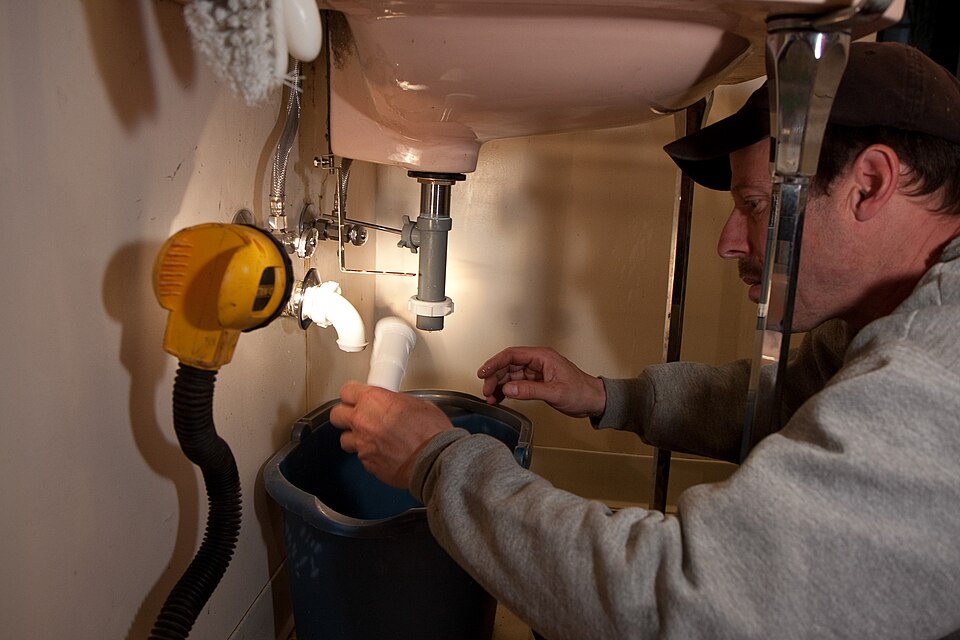
- Look at the work while it’s open. Once the ceiling is closed or the membrane is tiled over, you can’t see it any more. Take photos.
- Keep a short site diary on bigger jobs: dates, who was there, what was done, any problems, the weather.
- Stop work that’s unsafe. You have the authority, and in many cases the duty, to stop work that puts residents or workers at risk (Lesson 12).

Variations
A variation is any change to the scope or price after the order is issued. Variations are where budgets blow out.
Industry practice: no variation is approved unless it’s in writing, with a price, before the extra work is done. Approve within your limit; anything that takes the total past your limit goes back to whoever approved the original job. “They found more rot once they opened the wall” is a fair reason for a variation, but you still need the photos and the price before saying yes.
Checking the work
Before signing off, check against the scope, item by item:
- Is it all done, in the right place, with the right materials?
- Does it work? Test the door closer, run the tap, check the light, trigger the sensor.
- Is the area clean, with waste removed and damage made good?
- Have you got the paperwork: compliance certificates (electrical, plumbing, fire), warranties, manuals, test results, before and after photos?
- Has the asset register been updated (Lesson 6)?
For larger jobs, do a practical completion inspection with the contractor and list any defects (a “punch list”). Pay the agreed amount, hold back any retention the contract allows, and re-inspect when the defects are fixed.
Invoices
Industry practice: never approve an invoice for work you haven’t checked. Match every invoice to:
- The work order or contract (number on the invoice).
- The approved price, plus any approved variations.
- Evidence the work was done (your check, photos, report).
- The right fund (administrative or sinking/capital works) and budget line.
Then approve it and pass it to the strata manager for payment. Common problems: invoices for work not ordered, hours that don’t match the sign-in book, materials charged twice, and call-out fees for visits nobody asked for. Query politely and in writing.
Warranties and consumer guarantees
When something fails after it’s been fixed, look at who’s responsible before paying again:
- Manufacturer’s warranty on equipment (pumps, hot water units, gates). Keep the paperwork.
- Contractor’s warranty on workmanship, as stated in the quote or contract.
- Statutory warranties for residential building work, which run for years after completion and vary by state (the state electives give the periods).
- The Australian Consumer Law guarantees that services are provided with due care and skill, are fit for the purpose you made known, and are done within a reasonable time. It applies to services costing up to $100,000, among other cases. If a repair fails because it was done poorly, the contractor must fix it or refund.
Practitioner tip: record the warranty period against each job in your system, so when the same item fails you can see straight away that it’s still under warranty.
When things go wrong
Most problems are fixed with a phone call. When they aren’t:
- Put the problem in writing to the contractor, with photos, and ask for a fix by a date.
- Withhold payment only for the part in dispute, and say why. Paying nothing for a job that’s 90% fine creates a second dispute.
- Escalate to the committee and strata manager.
- Use the state’s building regulator for defective licensed work (QBCC, NSW Fair Trading, the Building and Plumbing Commission and so on). Many have a complaints and rectification process.
- Take the contractor off the panel, and note why.
Practitioner tip: be fair to tradespeople. Pay on time, give clear scopes, and don’t call them out for nothing. Good contractors choose which buildings they answer the phone for. You want to be the building they answer first.
At Banksia Court
The roof plumber finishes replacing a box gutter. You check from the safe access point: new gutter in, but the debris is still on the roof and there’s no photo of the outlet. You ask for both before approving the invoice. Three months later, in a storm, the same area leaks. Your system shows a 12-month workmanship warranty; the plumber returns, finds an outlet sealed badly, and fixes it at no cost.
On the job 9
Write a one-page site induction for your building and use it on the next new contractor. Then pick the last five invoices you approved and check each against the four-point match. Did any slip through?
Sources
- ACCC, Consumer guarantees
- Safe Work Australia, Safe work method statement for high risk construction work
- QBCC, When you need a licence
- NSW Government, Checking your contractor or tradesperson is qualified
General education, not legal advice. Strata law is different in every state and territory and it changes often (NSW and Victoria both changed theirs in 2025 and 2026), so check the current Act and your own agreement, and get advice before acting on anything here.