
Strata Building Management
Lesson 10: Building defects and major works
Goal: recognise common building defects, keep the evidence the body corporate needs to claim, and help major works run safely while people live in the building.
Defects are common
Research: a 2019 Griffith and Deakin University study of 212 defect audit reports on apartment buildings in NSW, Victoria and Queensland found an average of 14 defects per building. The most common were in the building fabric and cladding, fire protection and waterproofing, and water damage was the biggest single problem. It was a pilot study of buildings that had already been audited, so it can’t say exactly how common defects are across all buildings, but it matches what the industry sees. A building manager in a newer building should expect to find defects.
What to look for
| Defect | Signs |
|---|---|
| Waterproofing failure (balconies, bathrooms, podiums, planter boxes, basements) | Stains on ceilings below; efflorescence (white salt crust) on concrete; drummy or lifting tiles; mould; water in the car park after rain |
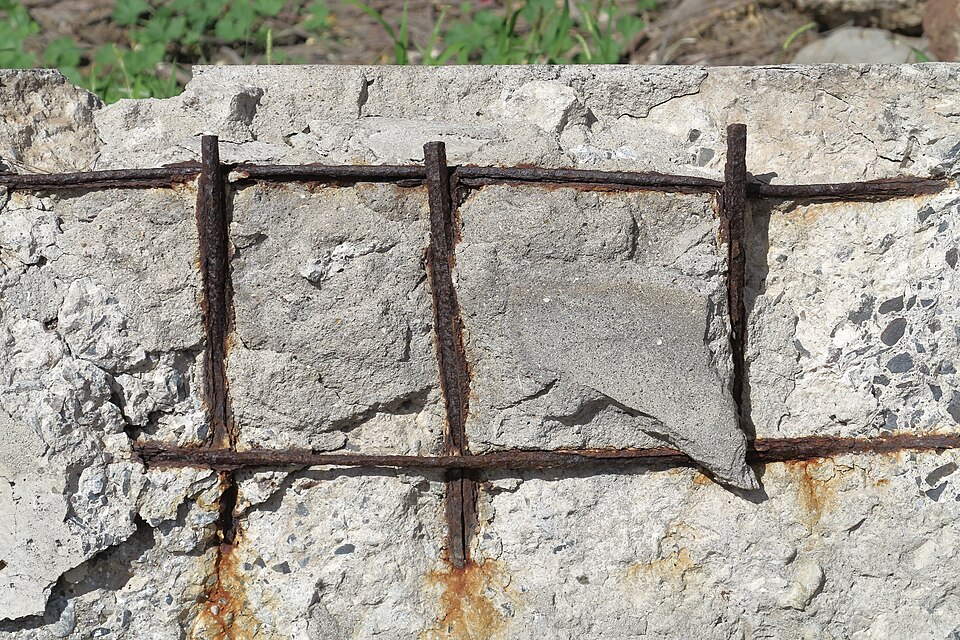
| Concrete cancer (rusting reinforcement) | Rust stains; cracked or spalling concrete, especially on balcony edges and car park soffits |
| Cracking | Diagonal cracks from window corners; cracks that grow (mark the ends with a pencil and date, and photograph with a ruler) |
| Facade and windows | Leaks around window frames; failed seals; loose cladding panels |
| Fire safety | Gaps around pipes through fire-rated walls (unsealed penetrations); doors that don’t close and latch; combustible cladding |
| Services | Hot water problems; noisy or failing pumps; poor drainage falls on balconies |
| Roof | Ponding water; rusted fixings; failed flashings |

Record everything
Defect claims are won or lost on evidence. Practitioner tip: for every suspected defect:
- Raise a work order and a separate defects register entry with a reference number.
- Photograph it with the date, a ruler or object for scale, and the location marked on a plan.
- Record when it was first noticed and by whom, and every time it recurs (each leak, each rain event).
- Tell the strata manager and committee in writing.
- Don’t let anyone fix it in a way that destroys the evidence until the committee has decided (on advice) whether to claim. A quick patch can cost the body corporate its claim.
Time limits matter
The law: defect claims are subject to time limits that start running from completion, and they’re shorter than people think. Some examples:
- NSW: statutory warranties under the Home Building Act 1989 run for 6 years for major defects and 2 years for other defects. Developers of new residential strata buildings of four or more storeys must lodge a building bond of 2% of the contract price, which pays for defects found in the first two years (the planned rise to 3% has been postponed to 1 July 2028). From 1 April 2026, developers must also give an initial maintenance schedule in a standard form before the first general meeting.
- Queensland: the QBCC’s rectification scheme covers defective building work for set periods after completion (longer for structural defects than non-structural ones), and complaints must be made in time.
- Other states: each has its own warranty periods and building regulator (see the state electives).
Your job isn’t to run the claim (that’s the committee, the strata manager and the lawyers). It’s to make sure defects are found, recorded and reported early, while the clock still has time on it.
Combustible cladding
After the Lacrosse fire in Melbourne (2014) and Grenfell in London (2017), every state audited buildings for combustible cladding, especially aluminium composite panels with a polyethylene core. Several states ran programs to fund or manage replacement on residential buildings, such as Cladding Safety Victoria (wound up in 2026, with its remaining work moved to the Building and Plumbing Commission), NSW’s Project Remediate and Queensland’s Safer Buildings program.
If your building has been identified, know its status, the interim fire safety measures you must keep in place (often extra smoke detection, sprinkler checks or bans on balcony barbecues), and keep residents informed.
Major works with people living there
Facade repairs, roof replacements, lift upgrades and repainting all happen around residents. Industry practice for the building manager’s part:
| Before | During | After |
|---|---|---|
| Notices to residents with dates, hours, what’s affected and a contact | Daily check of site safety: barriers, hoardings, scaffold tags, overhead protection at entries | Practical completion inspection, with the consultant |
| Agree site arrangements with the contractor: compound, parking, lift protection, deliveries, power and water use | Resident complaints logged and passed on promptly | Defects list (punch list) and re-inspections |
| Check the contractor’s insurance (contract works and public liability) and the WHS plan | Keep fire systems working, or have an approved isolation and fire watch | Collect certificates, warranties and manuals; update the asset register |
| Dilapidation photos of common areas the works will affect | Track variations against the approved budget | Diary the warranty and defects liability end dates |
Practitioner tip: scaffolding on a building is an open invitation to burglars. Ask for scaffold alarms or security, keep the bottom lift locked, and remind residents to lock balcony doors.
At Banksia Court
The four-year-old building next door shares a driveway wall with Banksia Court. After heavy rain, water comes through the wall into your car park. You photograph it each time, mark the location on the plan and find the wall is on the boundary. You give the strata manager a dated log of six events over two months. That log becomes the evidence in a claim against the neighbouring owners corporation’s builder, which a quick patch with sealant would have undermined.
On the job 10
Start a defects register for your building, even if it’s empty. Walk the car park, the roof (from safe access only) and three balconies (with permission), and record anything that looks like water getting where it shouldn’t.
Sources
- Johnston, N. & Reid, S. (2019), An examination of building defects in residential multi-owned properties, Griffith University and Deakin University
- NSW Government, Strata building bond and inspections scheme
- Coleman Greig (2026), NSW strata reforms 2026 (initial maintenance schedule)
- NSW legislation, Building, Design and Strata Legislation Amendment Regulation 2026 (bond increase postponed to 1 July 2028)
- QBCC, Defective building work
- Victorian Government, About Cladding Safety Victoria
General education, not legal advice. Strata law is different in every state and territory and it changes often (NSW and Victoria both changed theirs in 2025 and 2026), so check the current Act and your own agreement, and get advice before acting on anything here.